Water leaks are not always obvious. While a burst pipe or dripping tap is easy to spot, many leaks develop quietly behind walls, beneath floors, underground, or inside ceiling cavities where they can continue wasting water for weeks without attracting attention. By the time you notice a damp patch or receive an unusually high municipal account, thousands of litres of water may already have been lost.
Fortunately, your property’s water meter can help you determine whether water is escaping somewhere within your plumbing system. Performing a simple water meter test is one of the easiest ways to check for a hidden leak before arranging professional assistance. Although this test cannot tell you exactly where the leak is located, it can provide a strong indication that your plumbing system requires further investigation.
Knowing how to perform the test correctly is important. Small mistakes can produce misleading results, causing homeowners to either overlook a genuine leak or assume there is a problem when there isn’t one. This guide explains how to carry out a water meter leak test, how to interpret the results, and what to do if your meter suggests that water is being lost somewhere on your property.
If the test indicates a hidden leak, Smart Plumbing provides professional leak detection services throughout Cape Town, using specialised equipment to locate leaks accurately while minimising unnecessary damage to your property.
Suspect a Hidden Water Leak?
If your water meter suggests you have a leak, contact Smart Plumbing for professional leak detection and fast, reliable repairs anywhere in Cape Town.
How Does a Water Meter Help Detect Hidden Leaks?
Most homeowners only think about their water meter when they receive their monthly municipal account. However, the meter serves another very useful purpose. It records every litre of water that passes through your property’s water supply, making it an excellent tool for identifying water loss that would otherwise go unnoticed.
Whenever water flows into your home, whether someone is taking a shower, flushing a toilet, watering the garden, or using the washing machine, the meter records that consumption. The same applies if water is escaping through a hidden leak. The meter cannot distinguish between water being used normally and water being lost through damaged pipework. It simply records movement whenever water passes through it.
This is why the water meter test is so effective. If every tap and water-using appliance in your home has been switched off, the meter should remain completely still. If it continues to move despite no water being intentionally used, there is a strong possibility that water is escaping somewhere within your plumbing system.
While the test is simple, it is important to understand that it is an indicator rather than a complete diagnosis. A moving meter confirms that water is flowing, but further investigation is usually required to determine exactly where the leak is located.
Where Can You Find Your Water Meter?
Before performing the test, you first need to locate your property’s water meter.
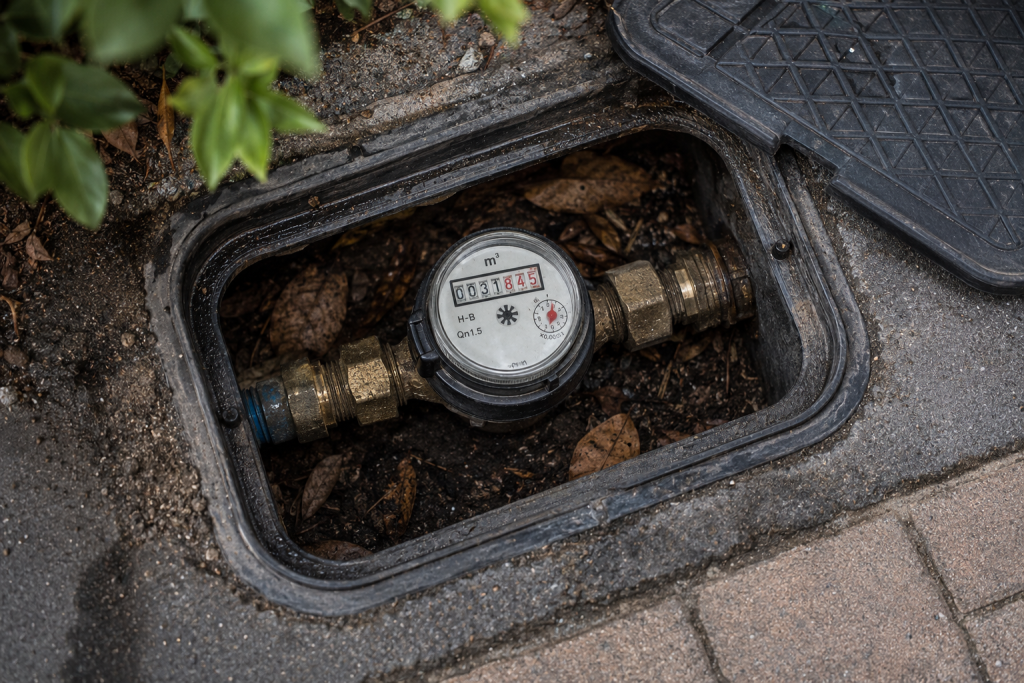
In most Cape Town homes, the water meter is positioned near the boundary of the property, usually close to the pavement or driveway. It is often housed inside a small rectangular meter box with a removable plastic or concrete cover.
Once you have located the meter, carefully remove the cover if necessary and make sure the display is clearly visible. Some older meters use a mechanical dial, while newer models may have digital displays. Both types can be used to perform the same leak test.
If the meter box contains dirt, leaves, or standing water, take a moment to clear the display so that the readings can be seen properly. Good visibility will make it much easier to detect even small movements during the test.
If you cannot locate your water meter, your municipality or a professional plumber can usually help identify its location.
Preparing Your Home Before the Test
One of the biggest reasons homeowners obtain inaccurate results is because they begin the test while water is still being used somewhere in the house.
Preparing your property correctly is just as important as performing the test itself. Every source of water consumption must be eliminated before checking the meter. Even something as simple as an automatic ice maker, irrigation controller, or toilet cistern refilling can cause the meter to move and create the false impression of a hidden leak.
Before beginning the test, make sure every tap is fully closed and confirm that nobody in the household will use water for the duration of the inspection. Washing machines, dishwashers, swimming pool top-up systems, irrigation controllers, and any other appliances connected to the water supply should also remain switched off until the test has been completed.
It is also worth waiting a few minutes after using any plumbing fixture. Toilets, geysers, and certain appliances may continue drawing small amounts of water briefly after use, so allowing the system to settle helps produce a more reliable result.
Taking these simple precautions greatly improves the accuracy of the water meter test and reduces the likelihood of unnecessary concern.
Need Professional Leak Detection?
If your water meter continues moving after the test, Smart Plumbing can accurately locate hidden leaks using advanced leak detection equipment.
How to Perform the Water Meter Leak Test
Once your home has been prepared, you are ready to perform the test.
Start by recording the current meter reading or taking a clear photograph of the display. This provides an accurate reference point and makes it easier to compare readings later.
Next, avoid using any water for at least 30 to 60 minutes. During this time, nobody should flush toilets, wash hands, use appliances, water the garden, or turn on any taps. The plumbing system should remain completely inactive.
After the waiting period, return to the meter and compare the new reading with the one you recorded earlier.
If the reading has not changed and none of the indicators have moved, this is generally a good sign that your plumbing system is not experiencing a significant leak.
However, if the reading has increased or the leak indicator continues moving despite no water being used, further investigation is recommended. Even a small amount of movement can indicate a slow leak that may gradually increase your water bill over time.
Some homeowners repeat the test overnight while everyone is asleep. Because no water is normally used during these hours, overnight testing can provide an even clearer indication of whether hidden water loss is occurring.
Understanding Your Test Results
Interpreting the results correctly is just as important as performing the test itself.
A stationary meter usually indicates that your plumbing system is holding pressure and that no significant water loss is occurring. This does not necessarily rule out every plumbing issue, but it generally suggests that there is no continuous hidden leak at the time of testing.
A slowly moving meter often indicates a small but continuous leak. These are commonly caused by leaking toilet cisterns, dripping taps, worn valves, or minor underground pipe leaks that have not yet become obvious.
Rapid meter movement is usually a stronger indication of a more serious problem. Larger underground leaks, burst pipes, or substantial hidden plumbing failures can cause the meter to record water movement much more quickly.
It is important not to ignore even small movements. A slow leak may appear insignificant today but can waste thousands of litres of water over several months if left unresolved.
Common Mistakes When Checking for a Hidden Leak
Although the water meter test is straightforward, several common mistakes can produce misleading results.
One of the biggest mistakes is forgetting about appliances that use water automatically. Irrigation systems, refrigerator water dispensers, and certain water filtration systems may continue drawing water even when nobody is actively using taps.
Another common mistake is checking the meter immediately after someone has showered or flushed a toilet. Some plumbing fixtures continue refilling briefly after use, causing temporary meter movement that is perfectly normal.
Homeowners also sometimes assume that a stationary meter means there are absolutely no plumbing problems. While this usually indicates that there is no continuous leak, intermittent leaks or pressure-related issues may still require professional assessment if other symptoms are present.
Finally, some people delay calling a plumber because the meter only moves slightly. Unfortunately, small leaks rarely remain small forever. Early detection is almost always less expensive than repairing extensive water damage later.
What Should You Do If the Meter Indicates a Leak?
If your water meter continues moving after completing the test correctly, the next step is to arrange a professional plumbing inspection.
Although the meter confirms that water is likely being lost somewhere within your plumbing system, it cannot identify the exact location. The leak may be beneath a concrete floor, behind a bathroom wall, inside the ceiling, beneath the garden, or even within the pipework connected to your geyser.
Attempting to locate the leak by breaking walls or digging up your garden without first confirming its location often leads to unnecessary damage and additional repair costs.
Professional plumbers use specialised leak detection equipment such as acoustic listening devices, pressure testing equipment, moisture meters, and thermal imaging technology to pinpoint hidden leaks with minimal disruption to your property. This allows repairs to be carried out efficiently while avoiding unnecessary demolition.
If the leak is confirmed early, repairs are usually far simpler and less expensive than waiting until visible water damage develops.
How Often Should You Perform a Water Meter Leak Test?
Most homeowners only check their water meter after receiving an unusually high municipal account. However, waiting until your bill increases may mean that a hidden leak has already been wasting water for weeks or even months.
Performing a simple water meter test every few months is a good preventative maintenance habit, particularly if your home has older plumbing or if you have experienced leaks in the past.
It is also advisable to perform the test whenever you notice unexplained increases in water consumption, damp walls, unusually green patches in the garden, reduced water pressure, or the sound of running water when everything is switched off.
Regular monitoring allows small plumbing problems to be identified before they become costly emergencies.
Protect Your Home from Hidden Water Leaks
A simple water meter test can provide valuable insight into the condition of your plumbing system and help you identify hidden water leaks before they cause serious damage. While the test cannot pinpoint the exact location of a leak, it is one of the quickest and most effective ways to determine whether further investigation is needed.
If your meter continues moving despite all water being switched off, it is best not to ignore the warning signs. Prompt professional leak detection can prevent unnecessary water waste, reduce your municipal water bill, and protect your property from costly repairs.
Smart Plumbing provides professional plumbing inspections and leak detection services throughout Cape Town. Using modern equipment and years of experience, the team can accurately locate hidden leaks and recommend the most effective repair solution for your home.
Book a Professional Leak Inspection
Think your water meter has detected a hidden leak? Contact Smart Plumbing today for expert leak detection, honest advice, and reliable plumbing repairs across Cape Town.