
Leak Detection in Table View
24/7 CALL-OUTS
Hidden leaks can damage ceilings, walls, floors, cupboards, garages, paving and underground pipework before the source becomes obvious. Smart Plumbing provides leak detection services in Table View for homes, complexes, apartments, rental properties, offices, shops and commercial buildings.
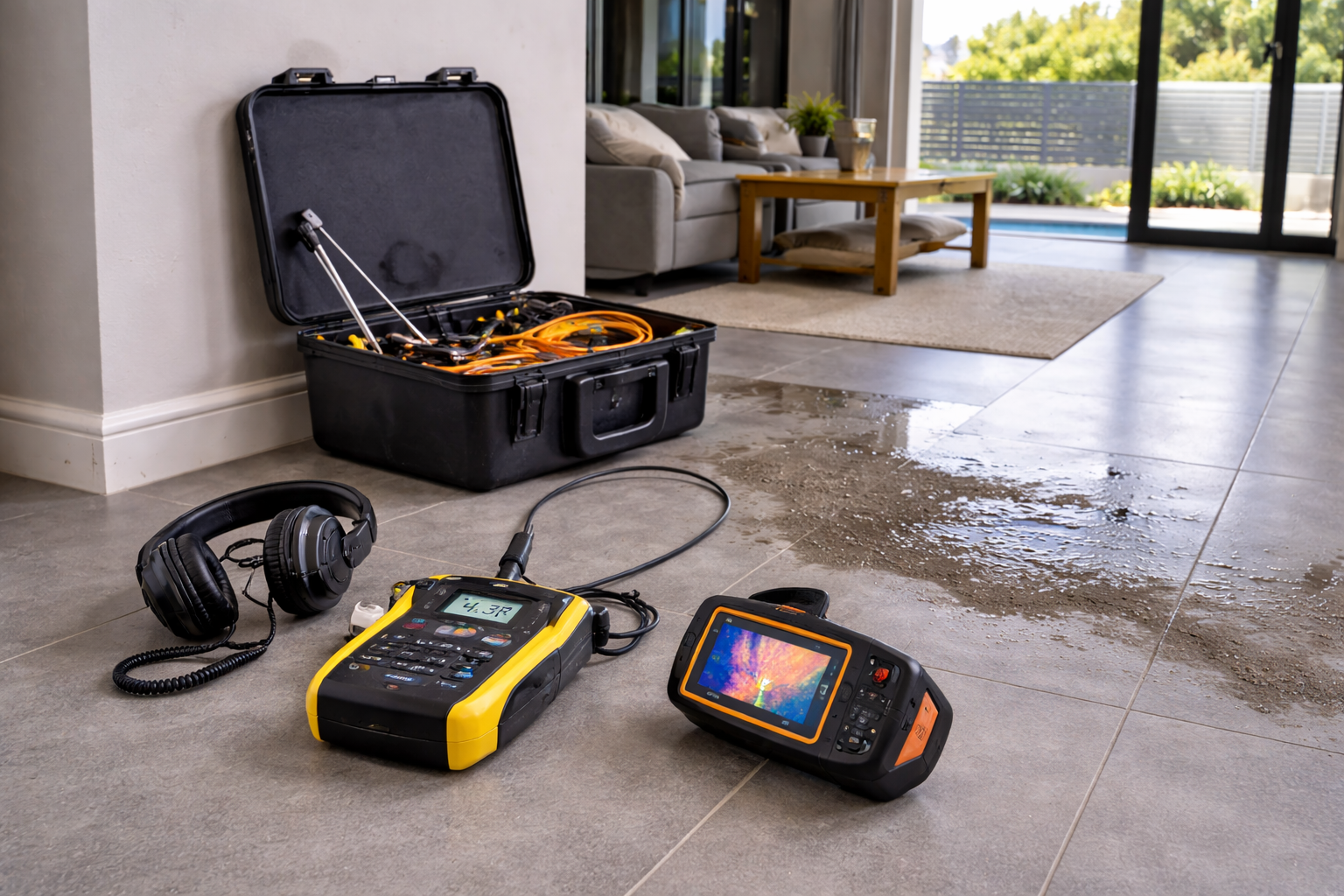
Leak Detection Services in Table View
A water leak is not always easy to find. Sometimes the signs are clear, such as water dripping through the ceiling, a wet bathroom floor, a leaking pipe under the sink or water pooling near the meter. Other times, the leak is hidden behind a wall, under tiles, above a ceiling, below paving, inside a cupboard, around a geyser or underground along the main supply line.
Smart Plumbing assists with leak detection in Table View where the source of water damage, dampness or unexplained water loss is not immediately clear. The warning signs may include damp walls, ceiling stains, bubbling paint, swollen skirting, mouldy smells, low water pressure, warm floor patches, wet cupboards, a water meter that keeps moving, or a water bill that suddenly increases without a clear reason.
Table View has a wide mix of family homes, townhouses, apartment blocks, sectional title complexes, rental units, guest accommodation, offices, restaurants, shops and small commercial properties. Leaks can behave differently across these properties. A freestanding home may have an underground leak near the garden, driveway or water meter. A townhouse may have a leak inside a shared wall, garage, bathroom or compact service area. An apartment may show water damage in one unit while the leak started above, behind or nearby. A rental property may only reveal a leak after a tenant notices dampness, low pressure or a high water bill.
The sooner a hidden leak is investigated, the easier it is to limit water damage, avoid unnecessary breaking and repair the actual plumbing fault.
Request a Plumber
Signs You May Have a Hidden Water Leak
Hidden leaks often begin with small clues. A damp patch may keep returning even after the area dries. Paint may start bubbling. Skirting may swell. Cupboards may smell musty. A ceiling stain may slowly grow. A tiled floor may feel warm in one area. The water meter may keep moving even when nobody is using water.
Common signs of a hidden leak include damp walls, wet flooring, ceiling marks, mould growth, peeling paint, swollen cupboards, low pressure, water sounds when taps are closed, unusually high water bills, soft ground outside, paving that stays wet, or water collecting near the meter.
In Table View homes and complexes, hidden leaks can easily be confused with other problems. A ceiling stain may be caused by a geyser leak, burst pipe, roof issue or bathroom leak above. A wet bathroom wall may come from a shower mixer, toilet connection, basin pipe or concealed pipe behind tiles. A damp patch outside may look like irrigation or rainwater, but it could be a leaking underground supply pipe.
Because different problems can look similar from the outside, leak detection helps narrow down the source before repairs begin.
Ceiling Leak Detection in Table View Homes and Complexes
A ceiling leak should be checked carefully because the visible drip or stain is not always directly below the source. Water can travel along beams, ceiling boards, insulation, pipe routes, cupboards and wall cavities before appearing in another room.
In Table View properties, ceiling leaks may come from roof-space geysers, hot water pipes, cold water pipes, bathroom plumbing above, toilet connections, shower waste lines, pipe joints or geyser overflow problems. In complexes and apartment buildings, the leak may also come from the unit above, a shared wall, a ceiling void or building plumbing route.
Smart Plumbing assists with leak detection where there are ceiling stains, dripping water, damp ceiling boards, sagging sections, moisture near light fittings or water marks around bathrooms, passages, garages and bedrooms. The aim is to identify whether the issue is plumbing-related and where the water is most likely coming from.
If water is dripping near plug points, lights or electrical fittings, the area should be treated carefully. The plumbing fault should be repaired before painting, ceiling repairs or cosmetic work begins, otherwise the same water damage may return.
Request a Plumber
Wall Leak Detection and Damp Patches
Leaks inside walls can cause slow damage before water appears on the floor. A wall leak may show as bubbling paint, dark marks, damp plaster, loose tiles, mouldy smells, swollen skirting or a patch that stays damp even when the weather is dry.
Wall leaks are common around bathrooms, kitchens, sculleries, toilets, geyser pipe routes and concealed plumbing lines. In Table View homes and townhouses, a damp wall next to a bathroom may be caused by a pipe behind the shower, a leaking toilet connection, a basin pipe, a bath waste line or a hidden supply pipe. In apartments and complexes, pipework may also run through shared walls or service areas, which can make the source less obvious.
Smart Plumbing assists with locating likely wall leak sources so the repair can be approached more accurately. This helps reduce unnecessary breaking and avoids opening the wrong wall or removing tiles before the plumbing source is properly checked.
A damp wall should not be ignored if it keeps returning, spreads, smells musty or appears near plumbing fixtures. Slow leaks can damage plaster, paint, cupboards, skirting and flooring over time.
Bathroom Leak Detection in Table View
Bathrooms are one of the most common places for hidden leaks because they contain several water supply and waste connections in a small area. A leak may come from a shower mixer, toilet connector, basin pipe, bath waste, shower drain, concealed wall pipe, trap, valve or pipe joint behind tiles.
In Table View family homes, apartments, rental units and guest accommodation properties, bathroom leaks can quickly damage walls, cupboards, flooring and nearby rooms. A leak from an upstairs bathroom can also show as a ceiling stain below. A shower leak may appear as dampness in the bedroom next door. A toilet connection may leak slowly behind the pan before water becomes visible.
Not every wet bathroom floor is caused by the same issue. The source may be a blocked shower drain, leaking pipe, failed toilet connector, basin trap, bath waste, poor seal, concealed pipe leak or waste line problem. Finding the correct source matters because replacing visible fittings without checking the plumbing fault can leave the leak active.
Smart Plumbing assists with bathroom leak detection by checking the likely plumbing sources and narrowing down the cause before repairs are carried out.
Request a Plumber
Kitchen, Scullery and Appliance Leak Detection
Kitchen and scullery leaks can damage cupboards, kickboards, flooring, walls and nearby rooms before the source becomes obvious. A slow drip under the sink or behind an appliance may go unnoticed until cupboards start swelling, mould appears, flooring lifts or water begins spreading into another area.
In Table View homes, apartments and rental properties, kitchen leaks may come from sink traps, tap connectors, shut-off valves, dishwasher connections, washing machine points, waste pipes, appliance hoses or concealed pipework behind cupboards. In guest accommodation and managed properties, small leaks can be missed if tenants or guests do not report early signs.
Smart Plumbing assists with leak detection around kitchen sinks, sculleries, washing machines, dishwashers, taps, traps, valves and concealed kitchen pipework. A wet cupboard may be caused by a supply pipe, waste pipe, appliance hose, trap, sink seal or leaking valve, so the source needs to be checked properly before repairs are made.
For rental units, guest accommodation and busy homes, early leak detection helps prevent damage to built-in cupboards, floors and appliances.
Geyser Leaks and Overflow Problems
Geyser leaks are common because geysers store a large amount of water and are often installed in ceilings, roof spaces, cupboards, garages, outside areas or compact service spaces. A geyser-related leak may not appear directly next to the geyser. Water can travel through ceiling boards, insulation, cupboards and walls before it becomes visible.
In Table View properties, geyser leaks may show as ceiling stains, water dripping from above, moisture inside a cupboard, water around a drip tray, an overflow pipe running constantly, sudden loss of hot water or damp marks near a bathroom, passage or garage.
Smart Plumbing assists with identifying geyser-related leaks and checking whether the issue comes from the geyser cylinder, pressure control valve, temperature and pressure valve, vacuum breaker, overflow pipe, pipe connection, shut-off valve or nearby plumbing.
If the geyser cylinder is still in good condition, a valve or pipe repair may solve the issue. If the cylinder has burst, corroded or started leaking from the body, replacement may be needed. The surrounding plumbing should also be checked so a pressure or overflow problem does not cause repeat damage after the repair.
Request a Plumber
Underground and Outside Water Leaks
Underground leaks can waste a large amount of water before they are noticed. The damaged pipe may be below paving, under a driveway, in the garden, near the boundary wall, close to the water meter, beneath a courtyard or along the main supply line into the property.
Signs of an underground or outside leak include wet soil, paving that stays damp, unusually green grass in one area, low water pressure, soft ground, water pooling near the meter, a hissing sound outside, or a water meter that keeps moving while all taps are closed.
In Table View, many properties have gardens, paved driveways, boundary walls, irrigation points, outside taps and underground water supply routes. Leaks can be caused by ageing pipework, pressure issues, ground movement, roots, corrosion, accidental damage during digging or weakened joints from previous repairs.
Smart Plumbing assists with investigating underground and outside water leaks so the affected section can be located and repaired as practically as possible. If the leak is near the water meter or boundary, it is also important to understand whether the fault is on the property side or closer to the municipal supply side.
High Water Bills and Water Meter Movement
A sudden increase in your water bill can be one of the clearest signs of a hidden leak. If your water usage has not changed but the bill has increased, water may be escaping from a pipe, toilet, valve, geyser connection, underground line or concealed plumbing point.
A useful check is the water meter. When all taps, toilets, appliances, irrigation points and water-using fixtures are off, the meter should not continue moving. If it keeps turning, a leak may be active somewhere on the property.
In Table View rental properties, complexes and business premises, high water usage can be harder to understand because several people may use the plumbing. A tenant may not notice a running toilet. A guest may not report a small leak. A business may not realise water is being lost after hours. A complex may have shared lines, common areas or multiple units that make the source harder to isolate.
Leak detection helps move the situation away from guesswork. Once the source is narrowed down, the correct repair can be carried out instead of replacing random fittings and hoping the water bill improves.
Request a Plumber
Leak Detection in Complexes, Townhouses and Sectional Title Properties
Table View has many complexes, apartment blocks, townhouses and sectional title properties where leak detection can involve more than one person. Water may appear in one unit while the source is in a neighbouring unit, ceiling void, shared wall, service area, garage, geyser space or common property line.
These situations need careful diagnosis because responsibility can depend on where the leak started. A damp ceiling may be linked to a private geyser, bathroom leak, shared pipe route or unit above. A wet garage wall may come from a pipe serving one unit or a common supply line. A high water bill may be connected to a private leak or shared plumbing issue.
Smart Plumbing assists with leak detection for Table View complexes, apartments, townhouses and managed properties. The aim is to identify the likely plumbing source, reduce unnecessary damage and help owners, tenants, landlords, managing agents or body corporates make a practical repair decision.
Clear leak detection helps prevent confusion, repeated complaints and unnecessary repairs to the wrong area.
Leak Detection for Rental Homes and Guest Accommodation
Many Table View properties are used as long-term rentals, short-term rentals and guest accommodation. Hidden leaks in these properties need quick attention because water damage can affect tenants, guests, furniture, cupboards, flooring, walls, ceilings and future bookings.
A tenant may report damp smells, mould, low pressure, no hot water, wet flooring or a high water bill. A guest may notice water marks, dripping, a leaking bathroom or damp cupboards. A property manager may only discover the problem after damage has already spread.
Smart Plumbing assists landlords, hosts and property managers with leak detection for Table View rental units and guest accommodation. The goal is to find the likely source, repair the plumbing fault and reduce disruption to occupants.
Fast leak detection is especially important where water damage could affect guest reviews, tenant satisfaction, insurance claims, furniture or neighbouring units.
Request a Plumber
Leak Detection for Table View Businesses
A hidden leak at a business premises can damage stock, customer areas, bathrooms, kitchens, offices, flooring, ceilings and electrical points. It can also increase monthly water costs and create hygiene or safety concerns if left unresolved.
Smart Plumbing assists Table View businesses with leak detection for offices, shops, restaurants, cafés, salons, medical rooms, guest accommodation, retail spaces and light commercial properties. Warning signs may include damp walls, wet floors, ceiling stains, musty smells, low pressure, high water bills, mould or unexplained water sounds.
Business leak detection needs to be handled neatly and practically because the affected space may still be used by staff, customers, tenants or guests. The goal is to identify the source, repair the plumbing fault and reduce disruption as much as possible.
In mixed-use or shared buildings, it is also important to identify whether the leak is coming from the business premises, another tenant, a shared line or a building service area.
Coastal Conditions and Hidden Plumbing Leaks
Table View’s coastal environment can place extra pressure on some plumbing components over time. Moisture, salt air, ageing fittings, exposed pipework, older valves and previous repairs can all contribute to hidden leaks in certain properties.
Not every leak is caused by coastal conditions, but older pipes, worn valves, corroded fittings and exposed connections can become more vulnerable over time. A small drip from a pipe joint, geyser valve, outside line or concealed fitting may seem minor at first, but it can become a larger problem if hidden behind a wall, under paving, inside a cupboard or above a ceiling.
Smart Plumbing checks the likely plumbing source and surrounding components during leak detection. This is important where a damp patch, ceiling stain, high water bill or pressure problem may be linked to worn pipework, faulty valves, geyser components or hidden supply lines.
Early investigation can help prevent a small leak from becoming a larger repair involving ceilings, cupboards, floors, walls or underground pipework.
Request a Plumber
What to Do When You Suspect a Leak
If you suspect a leak, start by checking visible plumbing points such as toilets, basins, kitchen sinks, geyser overflow pipes, appliance connections, outside taps, irrigation points, meter boxes and damp areas. If water is actively leaking and you can safely close the main water supply, do so to reduce damage.
If water is dripping near electrical fittings, switches, plug points or lights, avoid touching electrical areas. Keep children, pets, tenants, guests and customers away from wet areas until the source has been checked.
Check the water meter if you have access. When all water points are off, the meter should not continue moving. Also take note of when the leak signs appear, such as after showering, flushing, using hot water, running a washing machine, using the kitchen sink or switching on irrigation.
Avoid breaking tiles, opening walls or replacing fittings before the source has been checked. Guesswork can create unnecessary damage and still miss the actual leak.
Repairing the Leak After Detection
Finding the leak is only the first part of solving the problem. Once the source is identified, the damaged pipe, valve, fitting, trap, geyser component, appliance connection or waste line needs to be repaired properly.
A small leak under a basin may need a fitting or trap repair. A wall leak may require access to concealed pipework. A ceiling leak may involve a geyser, pipe joint or bathroom above. An underground leak may need excavation around the damaged pipe section. A geyser-related leak may involve valve replacement, overflow repair, pipe connection work or geyser replacement if the cylinder has failed.
Smart Plumbing assists with leak detection and the plumbing repairs needed after the source has been found. The aim is to fix the cause, not only dry the visible area or patch the symptom.
Where water damage has affected ceilings, cupboards, flooring, plaster or paint, the plumbing repair should be completed before cosmetic repairs begin. Repairing the surface too early can lead to the same damage returning if the leak is still active.
Request a Plumber
Areas Near Table View We Also Serve
Smart Plumbing provides leak detection services in Table View and nearby West Coast and Northern Suburbs areas, including Blouberg, Bloubergstrand, Parklands, West Beach, Flamingo Vlei, Sunningdale, Milnerton, Sunset Beach, Big Bay, Burgundy Estate and surrounding areas.
Whether the issue is a damp wall, ceiling stain, underground pipe leak, leaking geyser, high water bill or hidden bathroom leak, reliable leak detection support is available in and around Table View.
Related Plumbing Services in Table View
Leak detection often connects with other plumbing services. A ceiling stain may be caused by a leaking geyser, burst pipe or hidden bathroom leak. Low water pressure may point to an underground leak, damaged pipe or faulty valve. A wet bathroom floor may come from a leaking toilet, blocked drain, shower waste issue or pipe leak behind the wall.
Smart Plumbing can also assist with emergency plumbing in Table View, geyser repairs in Table View, blocked drains in Table View, burst pipe repairs in Table View, bathroom plumbing, kitchen plumbing, water pressure problems and general plumbing maintenance.